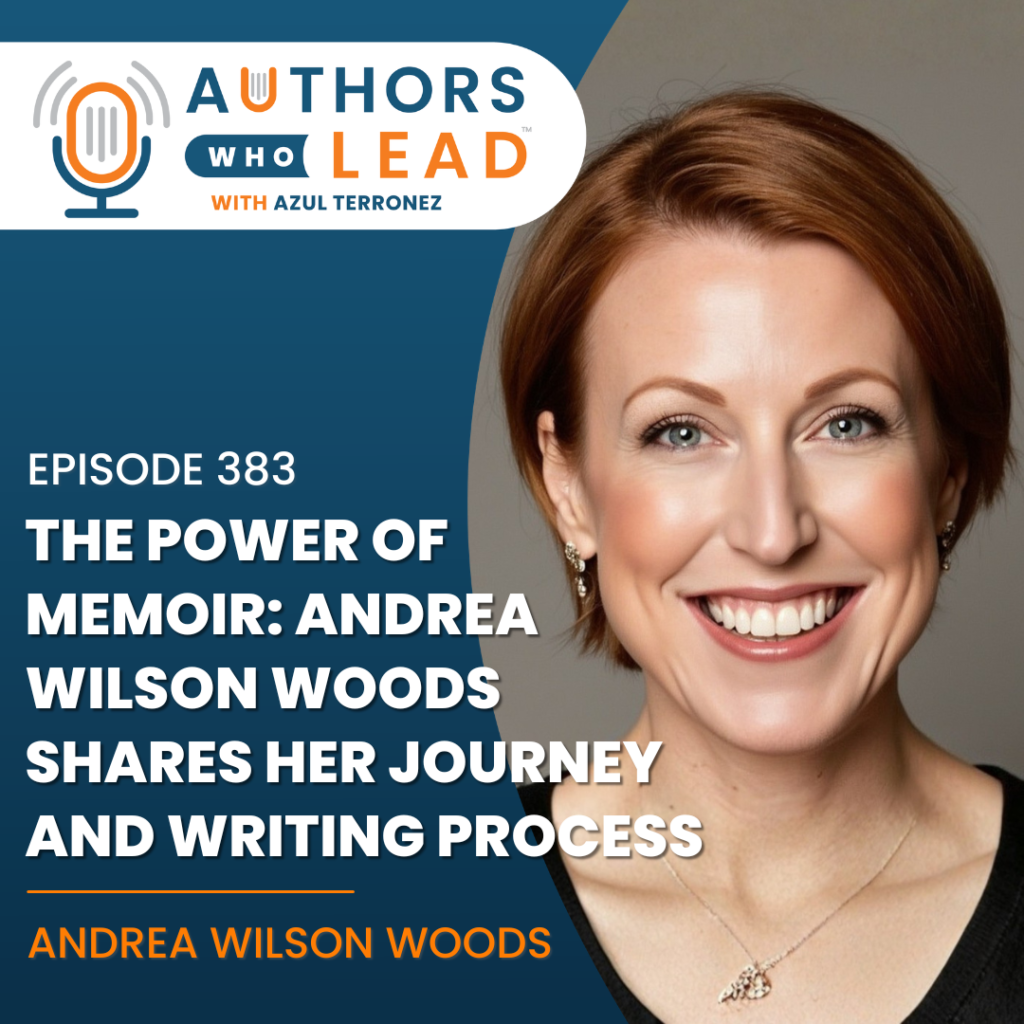
Memoir is not just the art of sharing memories; it’s the act of shaping a legacy, healing wounds, and providing a guiding light for others walking a similar path. In this episode of Authors Who Lead, I sat down with keynote speaker and advocate Andrea Wilson Woods to discuss the profound power found in her book, Better Off Bald: A Life in 147 Days. Our conversation dove deep into what makes a memoir memorable, the complex reality of writing personal truths, and the freedom we find when we are honest with our readers.
Memoir as a tool for healing and advocacy
For Andrea, writing her memoir was not a simple cathartic release; it was a painstaking revisiting of loss. In her book, she documents the seven years she spent raising her younger sister, Adrienne, culminating in Adrienne’s heartbreaking battle with liver cancer.
She described the process to me as an act of re-opening wounds—like pulling off a scab every single day and bleeding a little more. The emotional toll was so heavy that she sought out a therapist specifically to help her navigate the pain that surfaced through her writing. But that pain had a purpose. Through her honest reflection, the book became a life raft for others, even helping readers recognize medical signs in their own loved ones during a crisis.
Honesty, structure, and the boundaries of memoir
A central theme in our conversation was the fine line we walk as memoirists between honesty and protection—of ourselves and our loved ones. Andrea was candid with me about the necessary discomfort that comes with writing about real people. Even after changing most names, her candor still led to family estrangements.
I always tell authors that you cannot write while worrying about others’ reactions. As I noted during our talk, readers will always sense when an author is holding back. That hesitation erodes trust and diminishes the story’s power. The art of memoir lies in narrowing the focus; it isn’t an autobiography. Andrea’s advice to “narrow the story” is essential for anyone trying to figure out which slice of life truly needs to be told today.
The craft of creating lasting impact
Beyond advocacy, we discussed the need for literary excellence. A memoir must be compelling in its pacing and structure—it cannot just be a recitation of facts or a form of personal therapy. Andrea shared her meticulous process of outlining and working with beta readers to ensure she was “showing, not telling.”
Her method for managing criticism—balancing feedback while trusting her own artistic voice—is a great example of the self-awareness required of any leader. She reminds us to be rigorous about what belongs in the story and to recognize when the time for a specific story has finally arrived.
Legacy, permission, and moving forward
We closed our episode with a powerful reminder: memoir is about legacy. By honoring her sister through her writing, Andrea ensured that Adrienne’s memory would live on for a new audience.
My message to you is clear—your story matters. Whether you are capturing a few pivotal months or several years, the truth, rendered unflinchingly and with care, changes lives. Most importantly, it changes you.
🎧 Listen to the full episode with Andrea Wilson Woods on the Authors Who Lead podcast.
Or through your preferred platform: