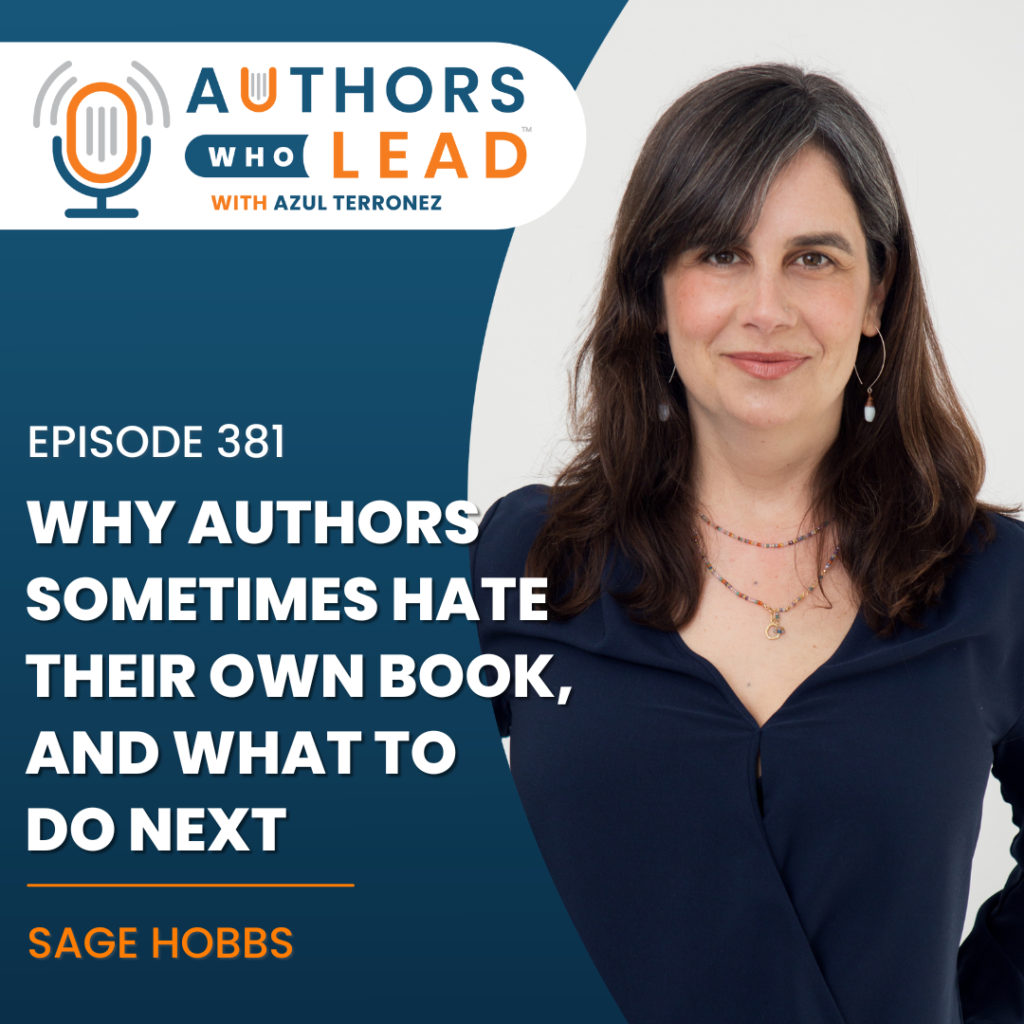
I often feel we take communication for granted, assuming it’s just about relaying information. Yet, in my latest conversation, I sat down with Sage Hobbs—author of Naked Communication—to explore how communication rooted in authenticity and curiosity can radically alter our relationships at work, at home, and within ourselves. Our talk was a candid look at what it really takes to write a book, launch it (twice), and confront your own vulnerabilities.
The Genesis of Naked Communication
Sage’s journey began in the heartland—she was literally driving through Iowa cornfields with her family—pondering the essence of honest connection. The idea of “naked” communication, a term suggested by her husband, captured her desire to strip away the layers of societal conditioning and be genuinely seen and heard.
Having worked as a school counselor, Sage realized that education alone couldn’t foster true connection if we aren’t willing to be open. Inspired by the pure expressiveness of her young children, she set out to write a book that would help others reclaim that natural desire for honest interaction. I love that she wanted to make it accessible—not dry or academic, but practical and heartfelt.
Leaping from Traditional Roles to Self-Expression
Leaving a stable job in public education wasn’t easy for Sage, especially with the “golden handcuffs” of tenure and family tradition. But she recognized that her greatest joy lay in championing meaningful relationships and pushing against system constraints. As she transitioned into coaching, the process of writing helped her distill lessons learned from years of counseling, personal loss, and professional growth.
I’ve always believed that when you commit to who you are on the page, you have to actually figure out who you are. For Sage, the act of writing was a framework for self-discovery. It forced her to clarify her values, codify her approach, and ultimately embrace imperfection.
Facing the Inner Critic and Relaunching
Despite her initial excitement, Sage eventually found herself cringing at her published work, consumed by the belief that she’d “do it so much better now.” For nearly a decade, her inner critic kept her from sharing the book, dismissing it as too casual.
However, a few unexpected encounters—like a therapist prescribing her book to clients—made her realize the ongoing impact her writing could have. Personal loss, including her mother’s sudden passing, prompted her to reevaluate her doubts. On re-reading, she found she still stood by her principles. I think updating and relaunching the book was a beautiful way for her to honor her growth without discarding her past work.
Curiosity Over Assumption
One key insight Sage shared with me is the power of curiosity. Entering conversations with an open mind—wondering “why do they believe that?” instead of rushing to judgment—can shift dynamics instantly. I find this spirit of inquiry revolutionary in a world conditioned toward defensiveness.
Whether it’s siblings interpreting childhood experiences differently or leaders misjudging their teams, when we turn away from “fact vs. fiction” and acknowledge the stories we tell ourselves, we open the door for deeper understanding.
Who is Naked Communication for? (And who isn’t?)
Sage was very candid with me: this book isn’t for everyone. It’s for those who sense that the quality of their relationships shapes their success and are curious about improving that connection. It’s not for people convinced they have nothing left to learn, or those who value certainty over collaboration.
Embracing Uncertainty in Writing and Life
Writing, like communication, is an uncertain process. I acknowledged to Sage how uncomfortable it is to not know what comes next, especially when life throws curveballs like grief or professional transitions. But I truly believe the courage to sit with that uncertainty is where genuine growth happens.
If you yearn for greater connection, I encourage you to give this book a shot. It is an invitation to step beyond transactional exchanges and embrace vulnerability. Whether you’re a leader, a parent, or a seeker, I find Sage’s approach to be a welcome antidote to the noise of modern communication.
🎧 Listen to the full episode with Sage Hobbs on the Authors Who Lead podcast.
Or through your preferred platform: